 우선 입장 가능
 아그리젠토 vs 파이스툼: 이탈리아 2대 그리스 신전 유적지 비교
시칠리아의 Valle of the Temples와 캄파니아의 Paestum을 비교해 드립니다 — 건축 양식, 배치 구조, 빛의 효과, 기후 조건, 그리고 어떤 유형의 여행자에게 적합한지 프리미엄 안내로 소개합니다.
이탈리아에는 기원전 6세기 서부 그리스 식민지 시대에 건립된 위대한 도리아식 그리스 신전 유적이 두 곳 남아 있으며, 두 곳 모두 유네스코 세계문화유산으로 등재되어 있고 각기 다른 방식으로 경이로움을 선사합니다. 시칠리아 남부 해안의 Agrigento에 위치한 Valle of the Temples는 더 규모가 크고 분산된 구조를 갖추고 있습니다 — 1,300헥타르 규모의 고고학 공원 내 1.3킬로미터 능선을 따라 다섯 개의 주요 신전이 펼쳐져 있으며, 그 중심에는 완벽한 보존 상태를 자랑하는 Temple of Concordia가 자리합니다. 살레르노에서 남쪽으로 한 시간 거리의 캄파니아 본토에 위치한 Paestum은 더 밀집된 구조입니다 — 평평한 해안 평야에 세 개의 신전이 가까이 모여 있으며, 그중에는 서부 그리스 세계에서 가장 이른 시기에 건립되고 가장 육중한 기둥을 갖춘 도리아식 건축물도 포함되어 있습니다. 본 가이드에서는 두 유적지를 솔직하게 비교해 드리오니, 어느 곳을 방문하실지 또는 어떤 순서로 두 곳을 모두 방문하실지 결정하시는 데 도움이 되실 것입니다.
건축 양식: 고풍기의 육중함 대 고전기의 균형미
Paestum의 세 대표 신전 — Temple of Hera I(일명 Basilica), Temple of Hera II(일명 Temple of Neptune), 그리고 Temple of Athena — 은 대략 기원전 550년에서 460년 사이에 건립되었습니다. 이들은 지중해 전역에서 가장 이른 시기이자 가장 육중한 도리아식 건축의 사례에 속합니다. 기둥은 높이에 비해 유난히 굵고, 주두는 넓고 평평하며, 비례는 도리아 건축의 고풍기(Archaic phase)에 속합니다. Paestum의 Temple of Neptune 내부에 서 계시면, 기원전 5세기 초 신전을 그대로 걷는 것과 가장 가까운 경험을 하실 수 있습니다 — 내부 요소까지 상당 부분 거의 온전히 보존되어 있습니다.
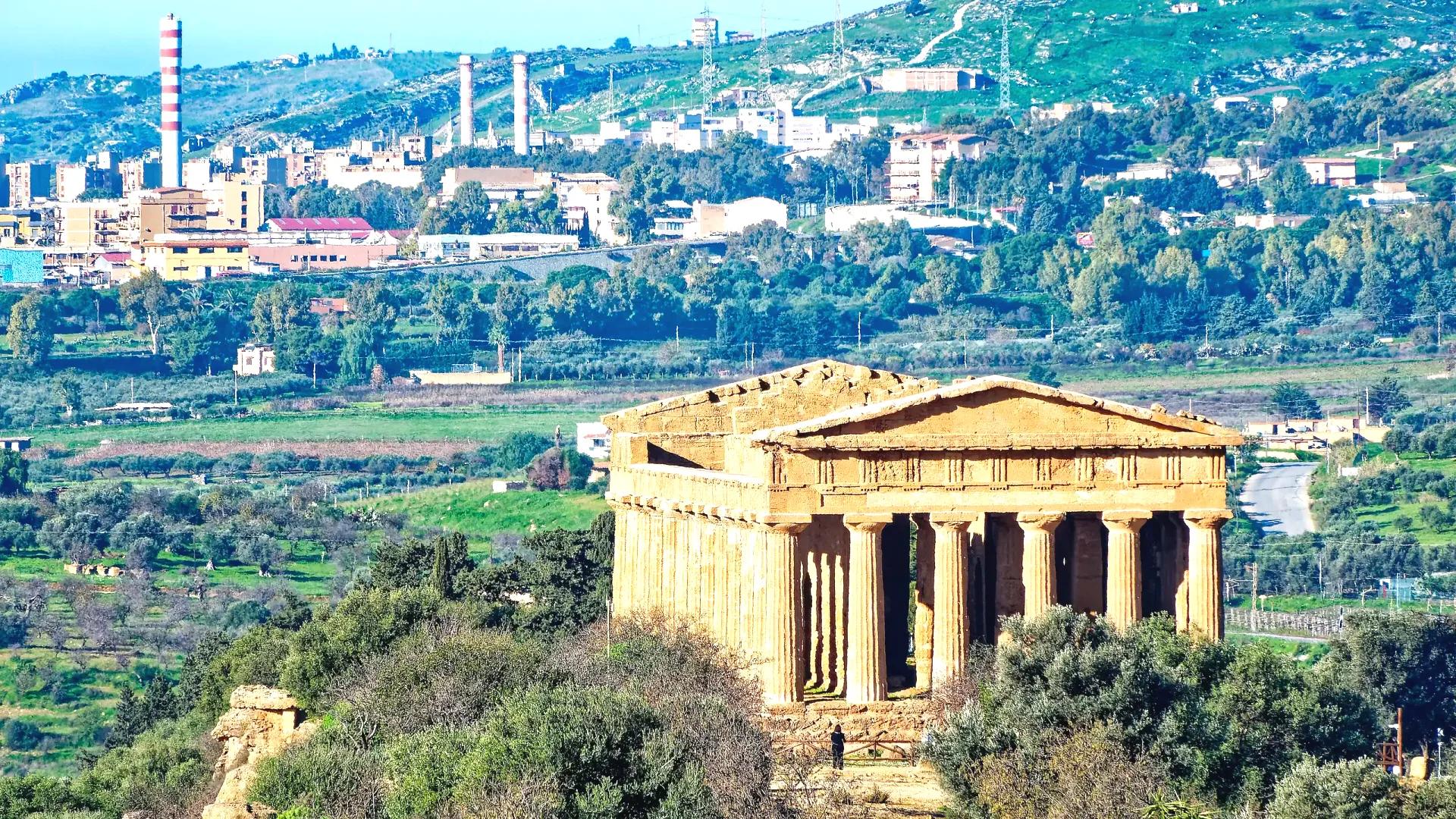
Agrigento의 신전들은 대략 기원전 510년에서 430년 사이에 건립되어 약간 더 후대에 속하며, 그중 백미는 Temple of Concordia로, 성숙한 고전기 도리아 양식의 교과서적 사례입니다 — 짧은 면에 6개, 긴 면에 13개의 기둥이 조화롭게 비례되고 세련되게 배치되어 있습니다. Akragas의 Olympieion, 즉 부분적으로 건립된 Temple of Olympian Zeus는 도리아식 신전 중 가장 거대한 규모로 시작된 건축물이었으며, Paestum에서는 전혀 볼 수 없는 실험적 건축 기법(부착 기둥, 엔타블러처를 지탱하는 Telamon 인물상 등)을 선보입니다.
그리스 신전 건축의 발전 과정에 특별히 관심이 있으시다면, 솔직하게 말씀드려 두 곳 모두 보셔야 합니다 — Paestum에서는 고풍기의 육중함을, Agrigento에서는 고전기의 세련미와 서부 그리스의 실험적 혁신을 경험하실 수 있습니다. 한 곳만 방문 가능하시고 건축사적 의미가 가장 중요하시다면, Paestum이 더 잘 보존된 전체 앙상블을 갖추고 있으며, Agrigento는 더 극적인 단일 신전과 더 드라마틱한 경관을 제공합니다.
관람 경험: 분산된 능선 대 밀집된 평야
두 유적지는 걷는 느낌이 근본적으로 다릅니다. Agrigento는 약 1,300헥타르에 달하는 구릉 능선과 계곡에 분산되어 있으며, 신전들은 지중해가 내려다보이는 노출된 석회암 언덕을 따라 1.3킬로미터에 걸쳐 늘어서 있습니다. 한 시간 이상 성스러운 길(Via Sacra)을 따라 오르내리며 걸으시게 되는데, 한쪽으로는 바다 전망이, 다른 쪽으로는 Kolymbethra 정원이 펼쳐집니다. 신전 사이에는 실제로 상당한 거리가 있으며, 관람 경험은 건축물 자체만큼이나 경관과 걷는 과정 자체에 관한 것입니다.
반면 Paestum은 티레니아 해안에서 내륙으로 약 1킬로미터 떨어진 평평한 해안 평야에 자리하고 있습니다. 세 신전은 서로 가까이 있어 — 한 신전에서 나머지 세 곳을 모두 보실 수 있습니다 — 신전 사이의 도보 거리는 기껏해야 수백 미터에 불과합니다. 이곳에는 상당한 규모의 로마 포럼, 주거 지역, 그리고 입구 바로 옆에 Tomb of the Diver(기원전 5세기의 독특한 그리스 채색 무덤)를 소장한 뛰어난 박물관도 포함되어 있습니다. Paestum의 완전한 관람에는 약 3시간이 소요되며, Agrigento의 완전한 관람에는 오전 반나절이 필요합니다.
어떤 경험이 적합하신지는 하루 여정에서 무엇을 원하시는가에 달려 있습니다. Agrigento는 지중해 풍경 속에서 긴 산책을 즐기시는 여행자에게 보답합니다. 능선 너머로 신전들이 하나씩 모습을 드러내는 장관을 만끽하실 수 있습니다. Paestum은 집중적인 고고학 체험을 원하시는 분들께 적합합니다. 세 개의 신전, 포럼, 박물관이 도보로 둘러보기 편한 규모로 자리하고 있어 짧은 집중력을 가진 분들, 어린 자녀를 동반하신 분들, 쉽게 피로를 느끼시는 방문객들께 안성맞춤입니다.
기후와 더위: 결정적인 차이
Agrigento와 Paestum의 기후는 성격은 비슷하나 강도에서는 차이가 있습니다. 두 곳 모두 덥고 건조한 지중해성 여름과 온화하며 때때로 비가 내리는 겨울을 보입니다. 그러나 Agrigento는 훨씬 더 남쪽, 대략 튀니스와 비슷한 위도에 위치하여 여름 더위가 더욱 혹독합니다. 7월과 8월 Agrigento의 낮 기온은 일상적으로 35°C를 넘고 때로는 40°C에 달하며, 이는 거의 그늘이 없는 석회암 능선 위에서 맞이하는 더위입니다. 캄파니아 해안에 자리한 Paestum은 한여름에도 평균 기온이 몇 도 낮으며, 바다가 바로 인접해 있어 오후에는 시원한 바람이 안정적으로 불어옵니다.
더위에 민감하신 방문객, 특히 연세가 있으신 분들, 어린 자녀를 동반한 가족, 심혈관 질환을 앓고 계신 분들께는 이 차이가 중요합니다. Paestum은 7월과 8월에도 Agrigento보다 관대합니다. 30°C 더위 속에서 Paestum을 한낮에 산책하는 것은 불편하지만, 38°C 더위 속에서 Agrigento 능선을 한낮에 걷는 것은 실질적으로 안전의 문제입니다. 두 유적지 모두 4월, 5월, 9월 말, 10월에 훨씬 쾌적하며, 이 시기 기온은 18°C에서 26°C 사이입니다.
여름에 방문 계획이 있으시고 두 곳 모두 관람하고 싶으시다면, 저희 컨시어지가 권해드리는 방법은 Agrigento는 이른 아침(08:30 입장하여 최악의 더위가 시작되기 전인 11:30까지 마치기)에 방문하시고, Paestum은 늦은 오후에 방문하시는 것입니다. 두 곳 모두 성수기 여름에는 야간 개장을 운영합니다. Agrigento의 야간 개장은 특히 분위기가 뛰어납니다. 신전들이 조명을 받아 빛나고 능선이 마침내 선선해지는 시간입니다. Paestum의 야간 개장은 더 조용하지만 여전히 기억에 남을 경험입니다.
사진작가, 가족 단위 여행객, 첫 방문객: 누가 어느 곳을 선택해야 할까요
이탈리아의 고대 그리스 건축을 처음 방문하시면서 하루만 여유가 있으신 분들께는, 선택은 보통 기존 여정에 어느 곳이 포함되어 있느냐로 결정됩니다. 시칠리아를 여행하신다면 Valley of the Temples는 필수 방문지이며 유럽에서 가장 보람 있는 고고학 방문지 중 하나입니다. 캄파니아(나폴리, 폼페이, 아말피 해안)를 여행하신다면 Paestum은 Salerno에서 자동차나 기차로 1시간이면 도착할 수 있으며 폼페이보다 훨씬 덜 붐빕니다. 두 곳 모두 방문할 가치가 충분하며, 폼페이처럼 관광지 특유의 느낌이 나지 않습니다.
사진작가들께는 Agrigento가 확실히 우세합니다. 분산된 능선 배치, 지중해 수평선, Temple of Concordia가 늦은 오후와 이른 아침 빛을 받아들이는 방식, 그리고 극적인 서향 일몰 위치는 Paestum의 평평한 평원 배치보다 훨씬 더 영화적입니다. 황금 시간대의 Temple of Concordia는 충분한 이유로 세계에서 가장 많이 촬영되는 그리스 신전 중 하나입니다. Paestum의 신전들도 아름답게 촬영되지만, 구도 가능성은 더 제한적입니다.
가족 단위 여행객, 더위에 민감하신 분들, 또는 거동이 불편하신 분들께는 Paestum이 더 수월한 유적지입니다. 작고 밀집된 배치, 평평한 지형, 박물관(유명한 Tomb of the Diver 벽화 소장)과의 근접성, 그리고 전체적으로 짧은 도보 거리 덕분에 어린 자녀나 연세 있는 여행객과 함께 방문하기에 더 실용적입니다. Agrigento도 불가능하지는 않습니다. Porta V와 Porta Giunone 사이를 운행하는 유료 내부 셔틀이 상당한 도움이 됩니다. 그러나 Paestum보다는 방문객에게 더 많은 체력을 요구합니다.
복합 여정 계획: 두 곳 모두 방문 가능할까요?
가능하지만 철저한 계획이 필요합니다. Agrigento와 Paestum은 티레니아해를 사이에 두고 반대편에 위치하며, 그 사이에 메시나 해협이 자리하고 있습니다. 가장 현실적인 결합 일정은 팔레르모와 나폴리를 연결하는 Tirrenia 야간 페리(또는 메시나와 살레르노를 연결하는 주간 페리)를 이용하여 한 곳에서 다른 곳으로 이동하는 것입니다. 어느 방향이든 이동에 최소 하루 전체를 할애하셔야 합니다. 카타니아나 팔레르모에서 나폴리로 항공편을 이용하는 것이 더 빠르지만, 국내선 항공편의 시간과 비용 부담이 추가됩니다.
실용적인 7일 결합 일정은 다음과 같습니다. 나폴리로 입국하여 Paestum과 칠렌토 해안을 중심으로 2박을 하시고, 나폴리에서 팔레르모로 가는 야간 페리(또는 Villa San Giovanni까지 주간 열차를 타고 메시나로 가는 페리)를 이용하신 후, 시칠리아에서 Agrigento를 중심으로 3박을 하시고 카타니아나 팔레르모에서 출국하시면 됩니다. 두 유적지는 진정으로 상호 보완적입니다. 고대 그리스 시대의 Paestum에 이어 고전기의 Agrigento를 관람하시면, 시대순으로 감상하는 역사적 가치를 경험하실 수 있습니다.
일주일 미만의 일정이시라면 두 곳을 서둘러 방문하시기보다 한 곳을 선택하시는 것이 좋습니다. 5일 일정에 Paestum, Agrigento, 폼페이, 그리고 시칠리아 섬까지 포함하려는 것이 저희가 가장 자주 접하는 일정 실수이며, 대부분 시칠리아에 제대로 도착했다는 느낌도 받지 못한 채 떠나시게 됩니다. 3박 또는 4박에 걸쳐 Agrigento, 신전의 계곡, Scala dei Turchi, Selinunte를 제대로 둘러보시고, Paestum은 다음 여행을 위해 남겨두시는 것이 더 나은 선택입니다.
자주 묻는 질문
Agrigento와 Paestum 중 어느 유적지가 더 오래되었습니까?
근소하게 Paestum이 더 오래되었습니다. Paestum의 가장 오래된 신전(헤라 I, 소위 Basilica로 불리는 신전)은 기원전 550년경에 지어졌으며, Agrigento의 가장 오래된 신전들(헤라클레스 신전)은 기원전 6세기 후반에 건립되었습니다. Agrigento의 콘코르디아 신전은 더 후대인 기원전 430년경의 것입니다.
단일 신전 보존 상태가 더 우수한 곳은 어디입니까?
Agrigento의 콘코르디아 신전은 6세기에 기독교 바실리카로 개조된 덕분에 지중해 전역에서 가장 보존 상태가 우수한 그리스 신전으로 평가받고 있습니다. Paestum의 넵튠 신전 역시 매우 완전한 형태로 남아 있으며, 내부 건축 구조 측면에서는 오히려 더 온전하게 보존되어 있다고 할 수 있습니다.
어린이를 동반한 방문에 더 적합한 곳은 어디입니까?
Paestum입니다. 평탄하고 컴팩트한 유적지, 평평하게 포장된 통로, 그리고 유명한 다이버의 무덤 벽화가 소장된 박물관이 인접해 있어 어린 자녀를 동반한 여행객이나 거동이 불편하신 분들께 Paestum이 더욱 실용적입니다.
사진 촬영에 더 적합한 곳은 어디입니까?
명백히 Agrigento입니다. 능선 배치, 지중해 지평선, 그리고 극적인 일몰 방향은 사진작가들에게 평평한 해안 평야인 Paestum에서는 결코 따라올 수 없는 구도의 가능성을 선사합니다.
두 곳 모두 UNESCO 지정 유산인가요?
그렇습니다. Agrigento 고고학 지역은 1997년부터 UNESCO 세계유산으로 지정되었습니다. Paestum과 Velia를 포함하는 Cilento 및 Vallo di Diano 국립공원은 1998년부터 UNESCO 지정 유산입니다.
한 곳이 다른 곳보다 덜 혼잡한가요?
Paestum은 절대적인 방문객 수가 더 적으며, 특히 비성수기에 그러합니다. Agrigento는 봄과 가을에 더 많은 국제 단체 관광객을 유치하지만, 분산된 배치 구조 덕분에 협소한 Paestum 유적지보다 인파를 훨씬 잘 수용합니다.
이탈리아 한 번의 여행으로 두 곳 모두 방문할 수 있나요?
최소 7일에서 10일의 일정이 있으시다면 가능합니다. 가장 실용적인 통합 일정은 Naples-Palermo 페리를 이용하여 Campania와 Sicily 사이를 이동하며, 각 유적지에서 2박에서 3박을 하시는 것입니다.
이탈리아 고대 고고학을 처음 접하는 방문객에게는 어느 곳이 더 나은가요?
솔직히 말씀드려, 두 곳 모두 탁월합니다. 이미 Sicily에 계시다면 Agrigento를 선택하시고, Campania에 계시다면 Paestum을 선택하십시오. 두 곳 모두 Pompeii보다 훨씬 덜 상업화되어 있으며, 더욱 사색적인 고고학 체험을 제공합니다.
입장 절차는 유사한가요?
네. 두 곳 모두 국가에서 관리하는 고고학 공원으로, 지정 시간 입장제(skip-the-line) 티켓을 운영하며, 여러 개의 출입구, 내부 산책로, 전용 박물관을 갖추고 있습니다. 아그리젠토는 현지 기관이 운영하고, 파에스툼은 파에스툼 에 벨리아 고고학 공원이 운영합니다.