 우선 입장 가능
 아그리젠토 인근 숙박 안내: 지역별 특징, 호텔 및 맛집 정보
고고학 유적지 내부 유일 호텔부터 해변 도시 San Leone, 시칠리아 내륙의 농가 숙소까지 — 프리미엄 컨시어지 가이드를 제공합니다.
신전의 계곡을 방문하실 때 정답인 숙박 지역은 따로 없습니다. 선택은 여행 스타일에 따라 달라집니다. 시칠리아 구시가지에서 저녁 식사를 걸어서 즐기고 싶으신지, Temple of Concordia의 기둥을 바라보며 아침을 맞이하고 싶으신지, 해변 리조트에서 아침 식사 전 수영을 즐기고 싶으신지, 아니면 수 킬로미터 안에 이웃 없는 올리브 숲 농가 숙소에서 은둔하듯 머물고 싶으신지에 따라 결정하시면 됩니다. 네 곳 모두 고고학 유적지에서 차로 15분 이내 거리에 있으며, 각각 뚜렷한 개성을 지니고 있습니다. 본 컨시어지 가이드는 네 가지 주요 지역 — 아그리젠토 구시가지, Villaggio Mosè, San Leone, 그리고 농촌 지역 — 을 상세히 안내하며, 등급별 추천 호텔과 레스토랑 정보를 제공합니다. 간단히 정리하자면: 분위기를 원하신다면 구시가지, 신전 접근성을 원하신다면 Villaggio Mosè, 해변을 원하신다면 San Leone, 고요함을 원하신다면 농가 숙소를 선택하시기 바랍니다.
아그리젠토 구시가지: 분위기와 미식
Agrigento의 역사 중심부는 고고학 공원에서 약 3km 위쪽 능선에 자리하고 있으며, 최고점에는 대성당이, 구시가지를 관통하는 보행자 전용 Via Atenea 거리가 마치 척추처럼 뻗어 있습니다. 이곳은 가장 운치 있는 숙박 지역입니다. 좁은 중세 골목길, 소박한 바로크 양식의 교회들, 신전과 바다가 내려다보이는 파노라마 테라스, 그리고 이 지역에서 가장 많은 레스토랑과 바가 밀집해 있습니다. 시칠리아의 저녁을 산책하고, 식사하며, 사람들을 관찰하는 것이 중요하시다면, 이곳이 바로 최적의 거점입니다.
이곳의 부티크 호텔과 개성 있는 소규모 호텔로는 B&B Atenea 191, Camere a Sud, Hotel Villa San Marco가 있습니다. 모두 30실 미만의 작고 잘 운영되는 숙소들로, 신전이 보이는 옥상 테라스에서 조식을 제공합니다. 중급 수준의 편안한 호텔로는 역사 중심부 남쪽 끝에 위치한 Hotel della Valle가 있으며, 자체 수영장을 갖추고 있고 Via Atenea까지 도보로 편리하게 이동하실 수 있습니다. 본격적인 국제 브랜드 경험을 원하시는 여행객께는 Doric Boutique Hotel과 Hotel Villa Belvedere가 중심부와 가까우면서도 믿을 수 있는 편안함을 제공합니다.
역사 중심부의 레스토랑 선택지는 훌륭합니다. 구시가지 바로 아래, 신전의 계곡이 내려다보이는 파노라마 테라스를 갖춘 Ristorante Re di Girgenti는 특별한 만찬을 위한 최고의 선택입니다. 모던 시칠리아 요리, 야심찬 와인 리스트, 그리고 조명을 받아 빛나는 아래쪽 신전들이 어우러집니다. 역시 도보 거리에 있는 Trattoria dei Templi는 더욱 전통적인 선택지로, coniglio all'agrodolce(새콤달콤한 토끼 요리)와 제철 성게 파스타 같은 정통 Agrigento 요리를 선보입니다. 점심 식사로는 Via Atenea 거리를 따라 있는 작은 오스테리아들에서 훌륭한 arancini, panelle, pane e panelle을 아주 저렴한 가격에 맛보실 수 있습니다.
Villa Athena: 고고학 공원 내부의 유일한 호텔
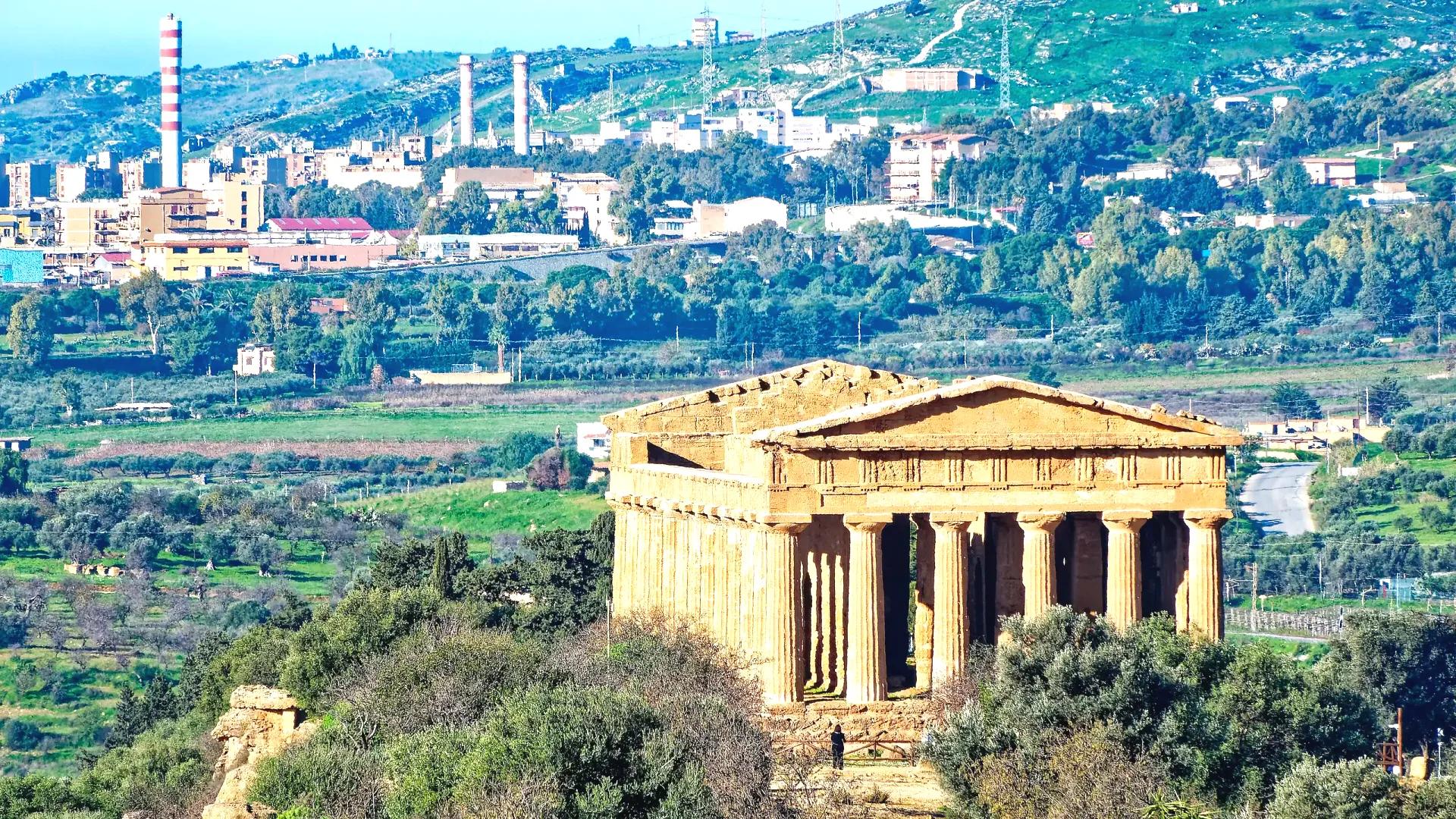
Villa Athena Resort은 신전의 계곡 고고학 공원 내에 위치한 유일한 호텔입니다. 18세기 빌라를 개조한 이 호텔은 현재 27개 객실을 갖춘 Small Luxury Hotels of the World 소속 숙소로, Tempio della Concordia에서 약 200m 떨어진 곳에 자리하고 있습니다. 공원으로 바로 연결되는 독점적인 출입구를 갖추고 있으며, 객실은 신전을 직접 바라보거나 수백 년 된 올리브 숲을 조망합니다. 지중해 전역에서 이와 같은 숙소는 존재하지 않습니다.
Villa Athena에서의 하이라이트는 Terrazza degli Dei(신들의 테라스)입니다. 호텔 레스토랑인 이곳에서는 Tempio della Concordia와 Tempio di Giunone을 바라보며 점심과 저녁 식사를 즐기실 수 있습니다. 긴 시칠리아 만찬 동안 신전이 황금빛에서 실루엣으로 변하는 광경을 감상하는 것은 대부분의 투숙객이 수년 후에도 기억하는 순간입니다. 총괄 셰프 Massimiliano Ballarò가 이끄는 요리는 고전적인 시칠리아 전통과 현대적 기법의 균형을 이룹니다. 현지 생선 크루도, 시칠리아산 흑돼지로 만든 수제 파스타, 내륙 언덕 지역의 양고기 저온 로스팅 등을 기대하실 수 있습니다.
이러한 입지의 대가로 Villa Athena는 확실히 프리미엄 가격대이며, 호텔에 머무시는 동안 숙소 내에서 식사하시거나 다른 곳에서의 식사를 위해 별도의 이동 수단을 마련하셔야 합니다. 도보 거리 내에 레스토랑이 없기 때문입니다. 특별한 날을 위한 1~2박 숙박이라면 이것이 바로 핵심 매력입니다. 장기 투숙의 경우, 저희 컨시어지를 이용하시는 많은 고객님들께서는 Villa Athena에서의 하룻밤과 이후 역사 중심부에서의 숙박을 결합하여 균형 잡힌 경험을 하고 계십니다.
Villaggio Mosè: 편리하고 현대적인 가족 친화적 지역
Villaggio Mosè는 고고학 공원 바로 남쪽, Agrigento와 해안을 잇는 도로에 위치한 현대적인 지구입니다. 역사 중심부처럼 그림 같은 풍경은 아니며 대부분의 건물이 1970~80년대에 지어졌지만, 신전 자체가 최우선 목적인 방문객들에게 편리함과 가치의 최상의 조합을 제공합니다. 차량 접근이 용이하고, 주차가 일반적으로 수월하며, 계곡의 동쪽 입구(Porta Giunone)까지 차로 5분 거리입니다.
Villaggio Mosè의 호텔들은 수영장과 패밀리룸을 갖춘 대형 현대식 숙소 위주입니다. 지중해 전역의 주요 고고학 유적지 주변에서 흔히 볼 수 있는 중급 패키지 투어 호텔 유형입니다. 믿을 만한 선택지로는 Grand Hotel dei Templi, Demetra Resort 및 여러 소규모 4성급 숙소들이 있습니다. 대부분 괜찮은 수준의 부설 레스토랑을 갖추고 있으나, 진지한 미식가라면 역사 중심부나 San Leone에서의 저녁 식사를 계획하시길 권해드립니다.
어린 자녀와 함께 여행하는 가족에게는 Villaggio Mosè가 가장 실용적인 선택이 되는 경우가 많습니다. 신전까지 가깝고, 오전 시간 뜨거운 햇살 속에서 관람을 마친 후 호텔로 돌아와 수영장을 이용하실 수 있으며, San Leone 해변이나 Scala dei Turchi까지 차로 이동하는 거리도 짧습니다. 이 지역은 낭만적이고 분위기 있는 시칠리아 만찬을 즐기기에 적합한 곳은 아니지만, 동선 중심의 가족 여행 숙소로는 매우 훌륭하게 기능합니다.
San Leone: 해변, 저녁 산책 그리고 캐주얼 다이닝
San Leone은 아그리젠토의 해변 리조트 지구로, 역사 중심지에서 남쪽으로 약 4킬로미터, 고고학 공원에서 약 7킬로미터 떨어진 해안에 위치하고 있습니다. 저층 건물로 이루어진 이곳은 여름철 활기가 넘치는 해변 지역으로, 긴 모래 해안선과 마리나, 비치 클럽(stabilimenti balneari), 그리고 여름 저녁이면 생기가 넘치는 바와 젤라테리아가 즐비합니다. 아그리젠토 여행에 해변 요소를 더하고 싶으시다면, 특히 바다가 따뜻하면서도 리조트가 붐비지 않는 5월, 6월, 9월, 10월에 San Leone 숙박을 권해드립니다.
San Leone의 숙박시설은 작은 B&B와 해변가 아파트부터 규모가 있는 해변 호텔까지 다양하게 마련되어 있습니다. 분위기는 국제적인 리조트풍보다는 여유로운 시칠리아 여름 휴양지 느낌으로, 해외 단체 관광객보다는 팔레르모와 카타니아에서 온 현지 가족 단위 휴가객들을 더 많이 만나실 수 있습니다. 해변가를 따라 늘어선 레스토랑들은 해산물 요리를 전문으로 하며, 현지 어선단에서 잡아 올린 당일 어획물—붉은 숭어, 황새치, Mazara산 새우—이 대부분의 메뉴에 등장합니다.
실용적인 측면에서의 절충점은 San Leone이 역사 중심지에서 차로 15분, 신전 지구에서 10분 거리에 있다는 점입니다. 도보로 이동할 수 있는 옵션은 없습니다. 차량이 없는 여행자의 경우, 시내버스 연결편이 여름철에는 적절하지만 겨울에는 배차가 드물며, 대부분의 San Leone 호텔에서는 요청 시 택시를 예약해 드립니다. 신전 관람과 해변 휴식의 균형을 원하시는 커플과 가족에게는 이곳이 최적의 숙박 지역이 되는 경우가 많습니다.
아그리투리스모와 시칠리아 시골
네 번째 선택지이자, 종종 가장 조용하고 기억에 남는 방식은 아그리젠토 내륙의 구릉진 농업 지대에 위치한 아그리투리스모에 머무는 것입니다. 시칠리아의 아그리투리스모 전통은 실제 운영되는 농장—대개 올리브, 아몬드, 감귤 농장이며 때로는 포도밭이나 치즈 생산 시설도 있습니다—과 소수의 객실, 그리고 농장에서 직접 재배한 식재료로 요리를 제공하는 레스토랑을 결합한 형태입니다. 이러한 숙소들은 해안 내륙의 여러 코무네에 흩어져 있으며, 일반적으로 신전 지구에서 차로 20분 이내 거리에 위치합니다.
이 지역의 대표적인 아그리투리스모로는 Baglio della Luna(역사 중심지와 신전을 잇는 도로 위에 위치한 복원된 13세기 감시탑으로 미슐랭 스타 레스토랑을 보유하고 있습니다), Palma di Montechiaro 방향 언덕에 자리한 Agriturismo Mandranova(오일로 유명한 운영 중인 올리브 농장), 그리고 역사 중심지 바로 남쪽의 Fattoria Mosè(1700년대 가문 소유 농장으로 소박하고 아름다운 객실과 저녁 식탁에 오르는 자가 재배 농산물을 갖추고 있습니다)가 있습니다. 이 세 곳 모두 호텔에서는 경험할 수 없는 것을 선사합니다: 고대부터 아그리젠토를 둘러싸온 농업 시칠리아의 진정한 감각입니다.
저녁 식사 후 바로 걸어서 바에 가는 것보다 고요함, 음식, 그리고 느린 템포가 더 중요하시다면 아그리투리스모를 선택하시기 바랍니다. 절충점은 차량이 반드시 필요하며, 신전이나 시내까지 편도 15~20분 운전에 익숙하셔야 한다는 점입니다. 이 지역에서 3박 이상 머무시는 여행자의 경우, 아그리투리스모는 중간 숙박지로 훌륭하게 활용됩니다—여정의 시작과 끝에 Villa Athena나 역사 중심지에서 하룻밤씩 머무는 구성과 함께 말입니다.
자주 묻는 질문
신전 계곡 관광을 위해 머물기에 가장 좋은 단 하나의 지역은 어디입니까?
우선순위에 따라 달라집니다. 역사 지구는 미식과 분위기를 즐기시기에 가장 좋으며, Villa Athena(공원 내부 위치)는 일생일대의 전망을 감상하시기에 최고이고, Villaggio Mosè는 가족 단위 여행객의 편의를 위해, San Leone은 해변의 저녁 시간을 즐기시기에, 그리고 아그리투리스모는 조용한 휴식을 원하시는 분들께 가장 적합합니다.
Villa Athena가 정말 고고학 공원 내부에 있습니까?
그렇습니다. Valley of the Temples 고고학 공원 경계 내에 위치한 유일한 리조트로, Tempio della Concordia에서 약 200미터 거리에 있으며 공원으로 직접 연결되는 전용 출입구를 갖추고 있습니다.
역사 지구에서 신전까지 걸어갈 수 있습니까?
기술적으로는 가능합니다. 약 3킬로미터 거리로 가실 때는 대부분 내리막길이지만, 대다수의 방문객들께서는 특히 오르막길로 돌아오실 때 택시나 시내버스를 이용하십니다. 선선한 계절에는 도보 이동이 더욱 쾌적합니다.
아그리젠토에서 어디서 식사하면 좋습니까?
신전 전망을 감상하며 특별한 만찬을 즐기시려면 Ristorante Re di Girgenti 또는 Villa Athena의 Terrazza degli Dei를 추천합니다. 역사 지구에서 정통 시칠리아 요리를 맛보시려면 Trattoria dei Templi를, 해산물 요리는 San Leone의 해변가 레스토랑들을 이용하시기 바랍니다. 전원 지역 요리는 수준 높은 아그리투리스모, 특히 Baglio della Luna에 딸린 레스토랑을 추천합니다.
San Leone은 겨울에도 좋습니까?
그렇지 않습니다. 바, 비치 클럽 및 대부분의 해변가 레스토랑들은 계절 영업으로 4월이나 5월부터 10월까지 완전히 문을 엽니다. 겨울철 San Leone은 한적하여 다소 조용한 편입니다.
아그리투리스모에 머무를 경우 렌터카가 필요합니까?
네, 거의 대부분 그렇습니다. 대부분의 아그리투리스모는 역사 지구 및 신전 유적지에서 차로 15분에서 25분 거리에 위치해 있으며, 시칠리아 시골 지역의 대중교통은 매우 제한적입니다.
역사 지구에서 주차가 편리한가요?
항상 그렇지는 않습니다. 구시가지는 부분적으로 보행자 전용 구역이며 주차가 제한되어 있습니다. 대부분의 역사 지구 내 호텔에서는 자체 주차장 또는 제휴 주차장을 제공하고 있으니, 예약 시 주차 시설에 대해 문의하시기 바랍니다.
아그리젠토에서 시칠리아식 조식은 어떤 형태인가요?
달콤하고 소박한 스타일입니다. 코르네티(이탈리아식 크루아상), 현지 아몬드 페이스트리, 리코타 치즈를 채운 칸놀리 또는 카사텔레, 겨울철 블러드 오렌지 주스, 그리고 훌륭한 에스프레소를 기대하실 수 있습니다. 대형 호텔의 경우 해외 고객을 위해 소규모 세이보리 뷔페를 추가로 제공합니다.
가족 단위 여행객에게 적합한 호텔이 있나요?
네, 있습니다. Villaggio Mosè에는 패밀리룸, 수영장, 그리고 신전 유적지로의 편리한 접근성을 갖춘 중급 호텔들이 여러 곳 있습니다. Grand Hotel dei Templi와 Demetra Resort는 어린 자녀를 동반한 가족 여행객들이 흔히 선택하시는 숙소입니다.